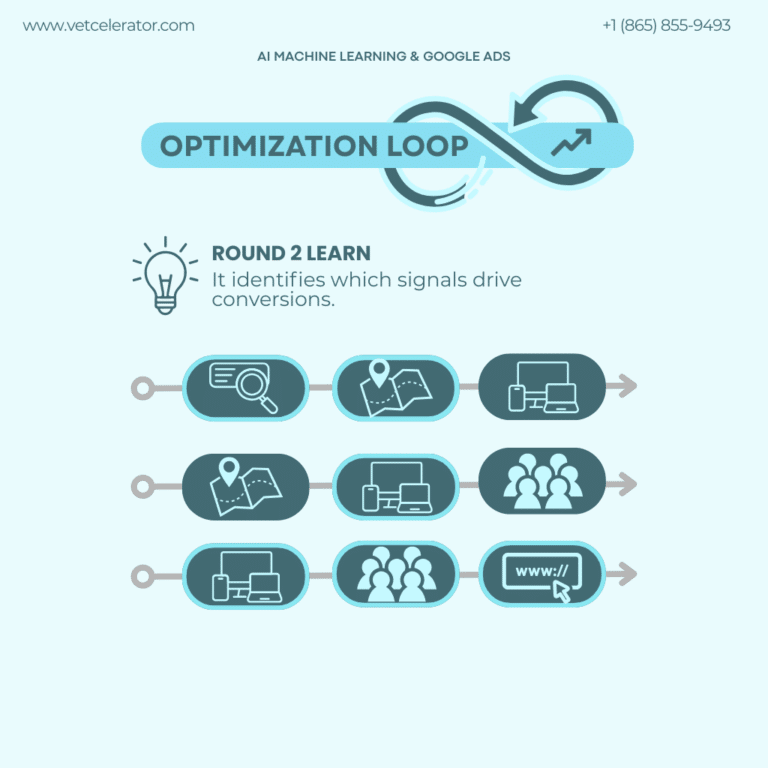
Machine learning (ML) is a branch of artificial intelligence that allows computers to identify patterns in data and use those patterns to make predictions or decisions.
Instead of writing a rule for every possible situation, you provide the system with data, and it learns from the outcomes.
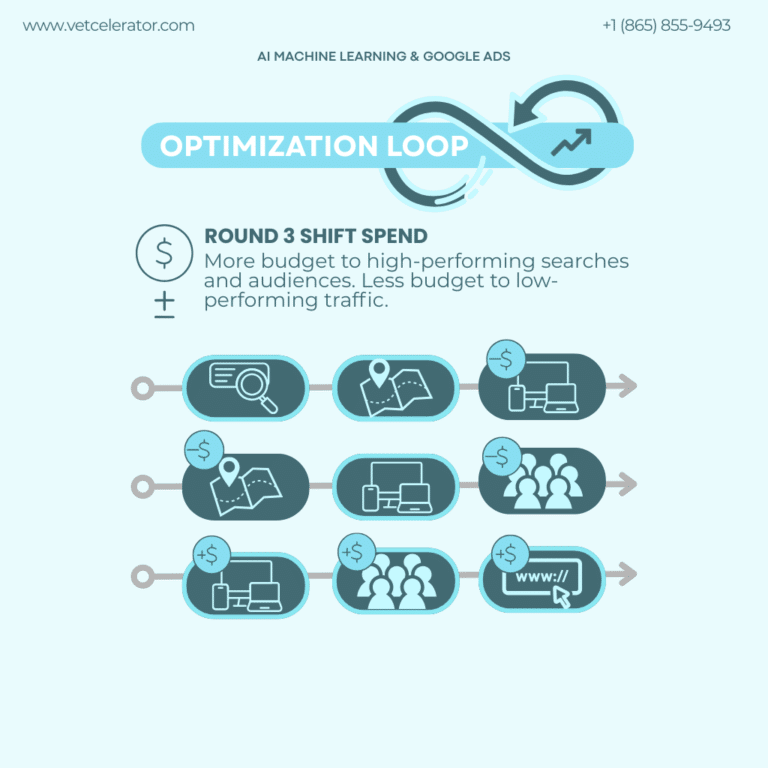
In Google Ads terms, machine learning uses your campaign and conversion data to identify patterns associated with valuable customers and works toward finding more prospective customers who are likely to take those same actions.
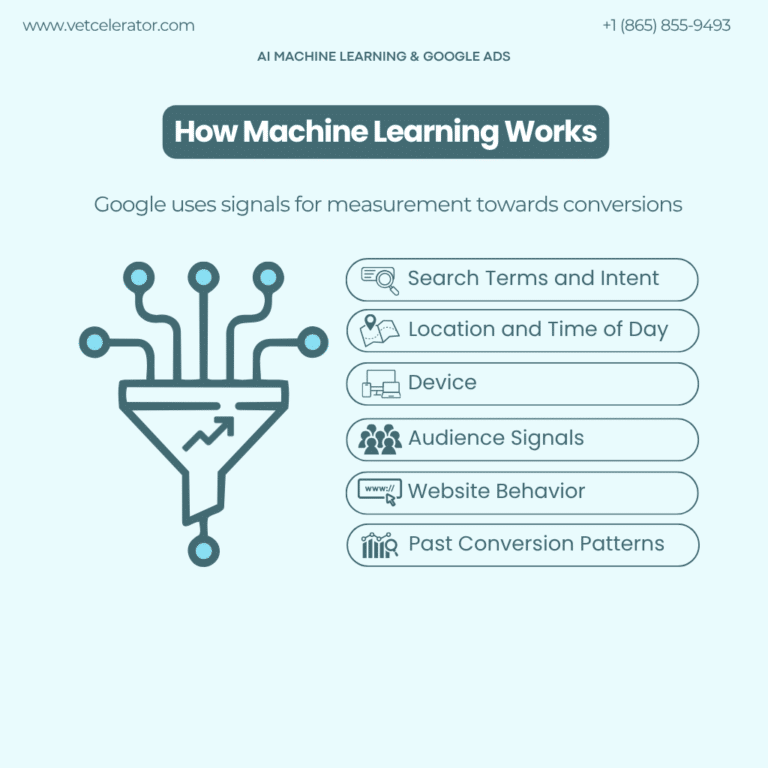
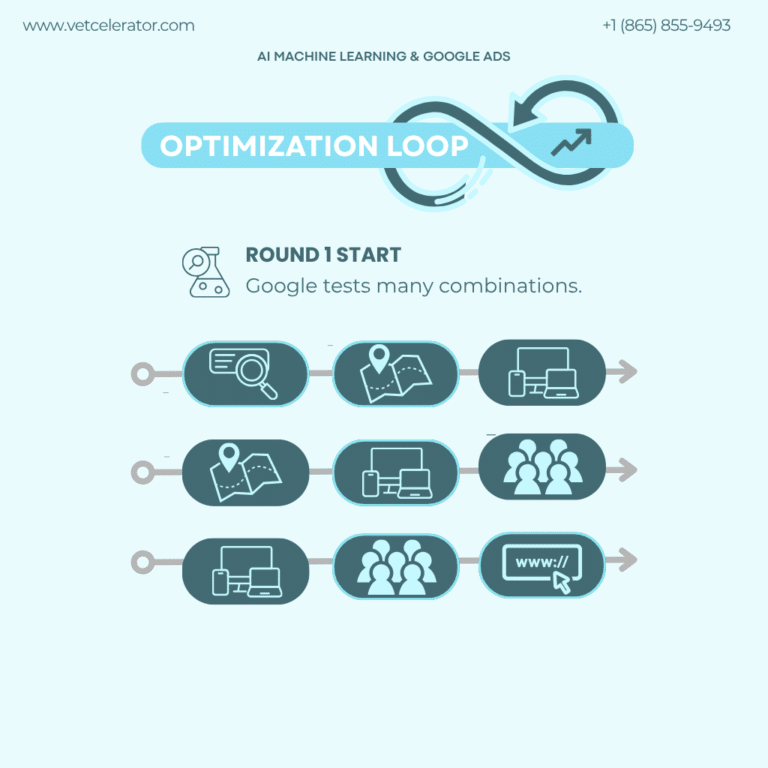
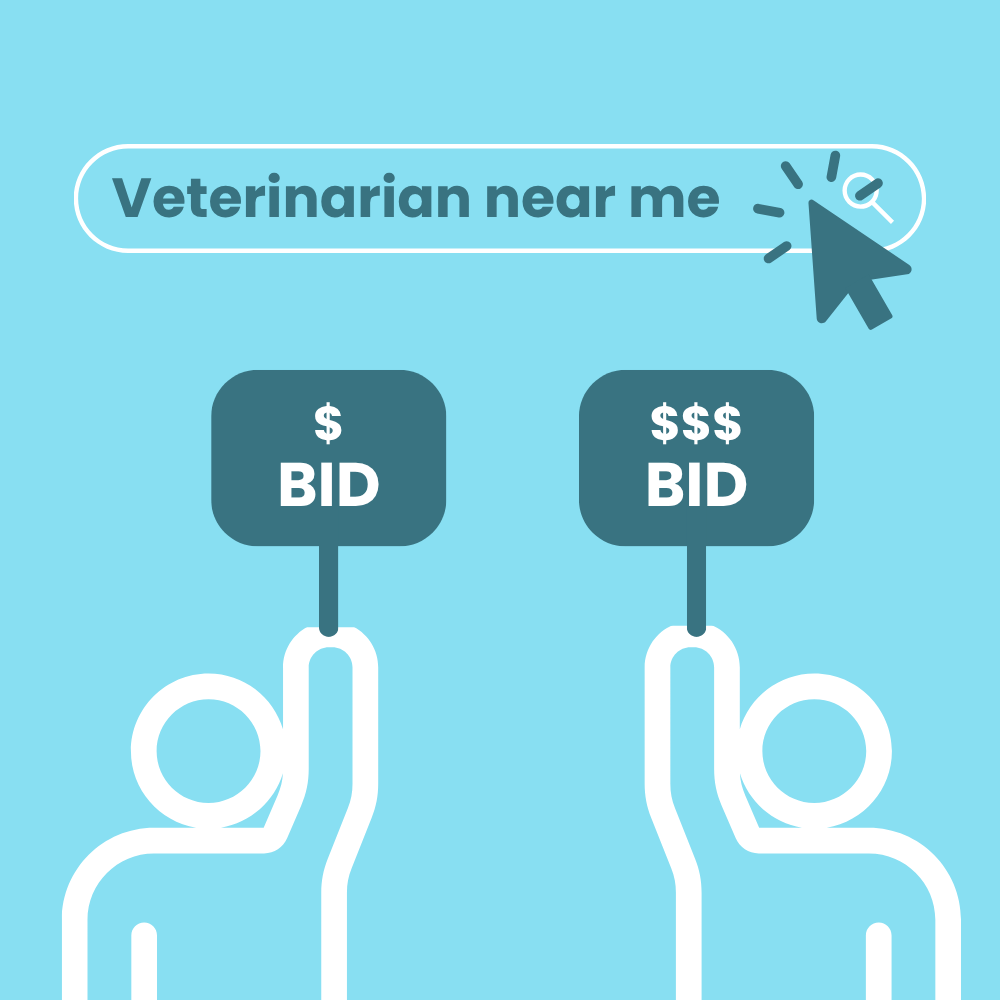
Machine learning is a powerful tool for optimizing your ads. When you give Google Ads clear conversion goals and reliable data, its automated bidding systems can learn which searches, users, times, devices, and other signals are associated with conversions and adjust bids accordingly.
For example, the system may learn that certain types of searches on Monday mornings are more likely to lead to appointments and place greater value on those opportunities.
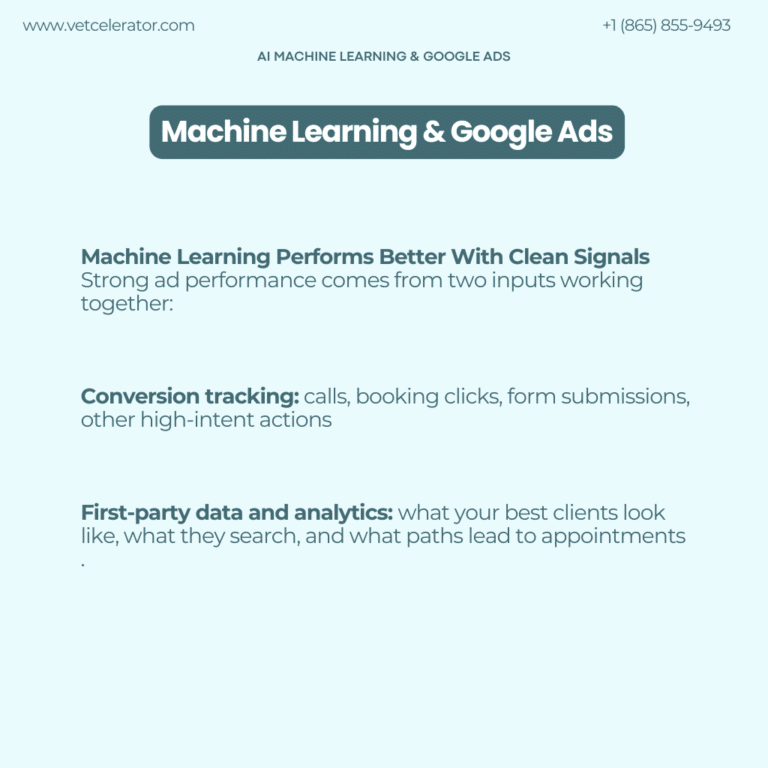
Machine learning works best when you give it accurate, targeted information. If your goals are vague, the system has less useful information to optimize toward. Even more importantly, poor conversion data can teach the system to prioritize actions that don’t actually contribute to your practice’s goals. This is why conversion tracking isn’t simply about reporting what happened. The quality of the data you feed back into your campaigns can directly influence what the campaigns prioritize next.
 Learn more about preparing your veterinary clinic for AI.
Conversion Focused Ads Depend on Connected Data
Connecting Google Ads to additional products like Google Analytics, your Google Business Profile, Search Console, phone systems, and practice management software gives your campaigns a more complete view of what happens after someone sees or clicks an ad.
Each source adds another piece of information that can help you understand performance and make smarter campaign decisions.
Google Analytics tracks how visitors behave on your website. Just like Google Ads, an Analytics account should have defined goals. In Google Analytics, important actions can be marked as key events.
An event is something that happened. A key event is something we want to happen.
Connecting Google Analytics and Google Ads gives you more visibility into what visitors do after reaching your website. Key events can also be shared with Google Ads when appropriate, and audiences can be built based on how people interact with or don’t interact with your website.
This gives you more information for building campaigns around meaningful behavior.
For veterinary practices, your Google Business Profile is an important part of your local digital presence and should be kept up to date.
Connecting it with Google Ads can add location information to your advertising and provide additional insight into actions such as requests for directions and calls. Local visibility can be especially valuable for urgent care and 24/7 veterinary clinics, where proximity and immediate availability often play a major role in a pet owner’s decision.
💡Our research shows that more than 90% of ad clicks come from mobile devices.
For a veterinary practice, that makes the connection between advertising and local visibility especially valuable.
Google Search Console is a tool for understanding how people find your website through organic Google Search.
Think of it as the view of what happens before someone arrives at your website through organic search, while Google Analytics helps you understand what happens once they get there.
Following the same theme of connectivity, it’s a best practice to connect Search Console with Google Analytics so you can develop a more complete picture of how people discover and interact with your website.
Using phone analytics from providers like VoiceStack gives you more detail about what happens after someone calls.
Standard phone call conversions may tell you that a call occurred and how long it lasted, but call analytics can add another layer of information. Depending on the system, you may be able to determine whether the caller was a new or returning client, the quality of the lead, whether the caller booked an appointment, or whether they were looking for a service your practice doesn’t offer.
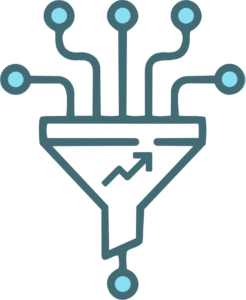
This information adds another layer to the conversion funnel and provides data that can be used to make better campaign decisions.
Knowing a 90-second phone call happened is useful information.
Knowing that the 90-second phone call came from a new client who booked an appointment is far more valuable.
Your practice information management system, or PIMS, contains some of your most valuable customer data. In marketing terms, much of this is considered first-party data.
First-party data is information your business owns and that your customers have voluntarily provided through their relationship with your practice.
This data can help measure new clients as conversions and assign a more accurate value to those conversions. It may also be used to exclude existing clients from certain acquisition campaigns, allowing more of your advertising budget to focus on reaching prospective new clients. Customer lists can also support campaigns designed to reconnect with specific lapsed clients.
Direct integrations between PIMS platforms and advertising platforms can be limited, so some information may need to be provided manually or through another integration.
The process may require additional work, but this information can be some of the most valuable data available for understanding campaign performance, improving targeting, and reducing wasted ad spend.
Bidding and Targeting for Conversion-Focused Google Ads
Every time someone searches Google for something relevant to your campaign, Google Ads runs an auction to determine which ads are eligible to appear and in what position.
That auction takes into consideration factors such as:
Every campaign uses a bidding strategy. That strategy tells Google Ads what outcome you want the campaign to prioritize.
Bidding strategies include:
Maximize Clicks
An automated strategy focused on generating as many clicks as possible within your budget.
Target CPA
An automated strategy designed to generate conversions around a target cost per acquisition.
Target ROAS
An automated strategy designed to optimize conversion value around a target return on ad spend.
Target Impression Share
An automated strategy focused on helping your ads appear in a selected portion or position of eligible search results.
Maximize Conversions
An automated strategy designed to generate as many conversions as possible within your available budget.
Maximize Conversion Value
An automated strategy designed to generate as much total conversion value as possible within your available budget.
Setting your bid strategy around conversions or conversion value tells Google’s automated systems to prioritize activity associated with meaningful outcomes rather than simply focusing on clicks or impressions.
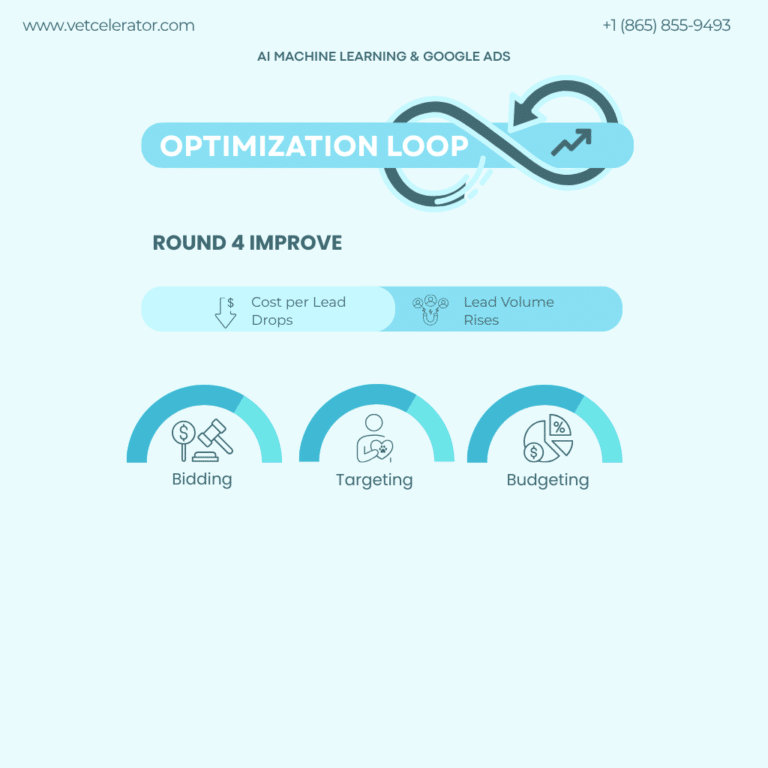
Over time, with enough accurate conversion data, this gives the system more information about the actions that matter to your practice and allows bidding decisions to focus more closely on profitable growth.
Enhanced Conversions and Conversion-Focused Advertising
Enhanced conversions can improve the accuracy of conversion measurement by using first-party customer data provided during a conversion, such as an email address or phone number, in a privacy-conscious format.
For a veterinary practice, stronger conversion measurement helps close some of the gaps between someone clicking an ad and ultimately becoming a client.
The larger point is simple: AI and machine learning are only as useful as the information they receive.
If your campaign is optimized around clicks, it will work toward clicks. If it is optimized around appointment requests, it will work toward appointment requests. If you can provide reliable information about which leads become booked appointments and which appointments generate meaningful revenue, you give the system stronger signals about the outcomes your practice actually values.
Putting It All Together for Maximum Results
Optimizing your digital campaigns for conversions is a continuous process of measuring, reviewing, connecting, and improving specific metrics around a unified goal.
The ad itself is only one piece.
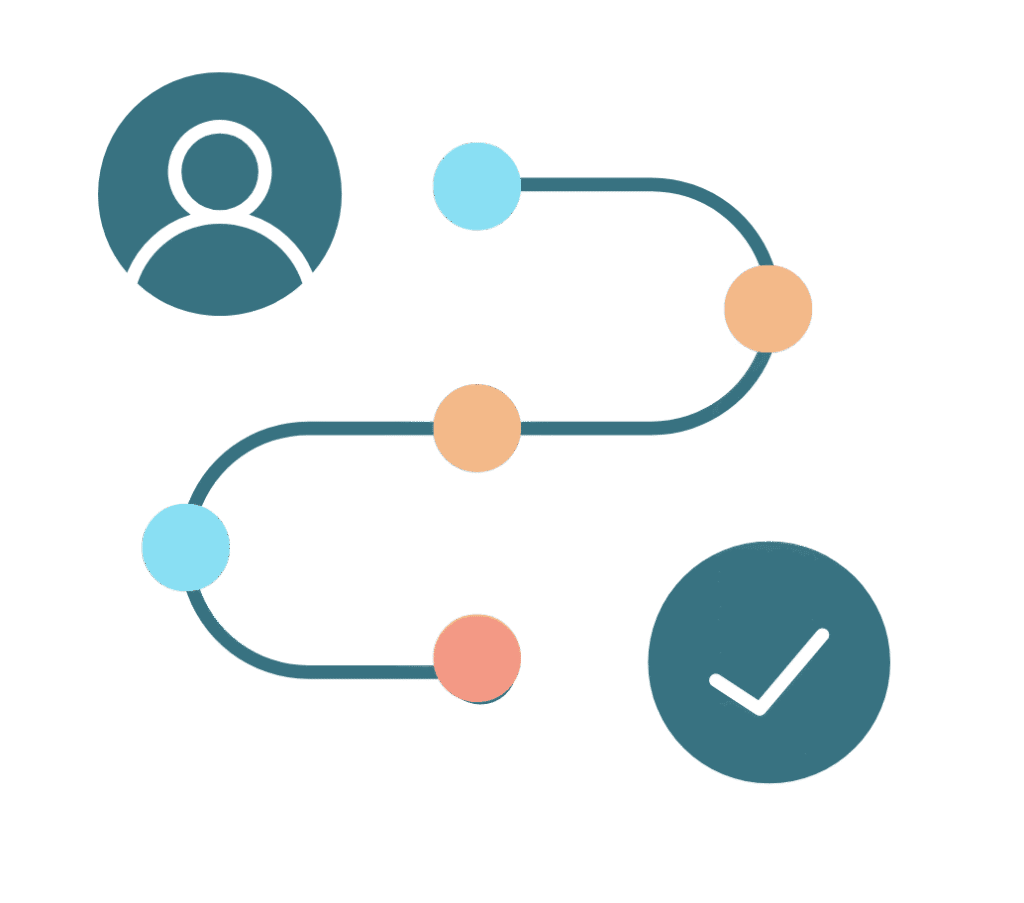
When your Google Ads account is connected with analytics, local search data, phone outcomes, appointment information, and first-party customer data, you can start seeing the complete path from reach → lead → appointment → revenue.
Machine learning and AI can then use those signals to make increasingly informed bidding and targeting decisions. But the technology still depends on the goals and data you provide.
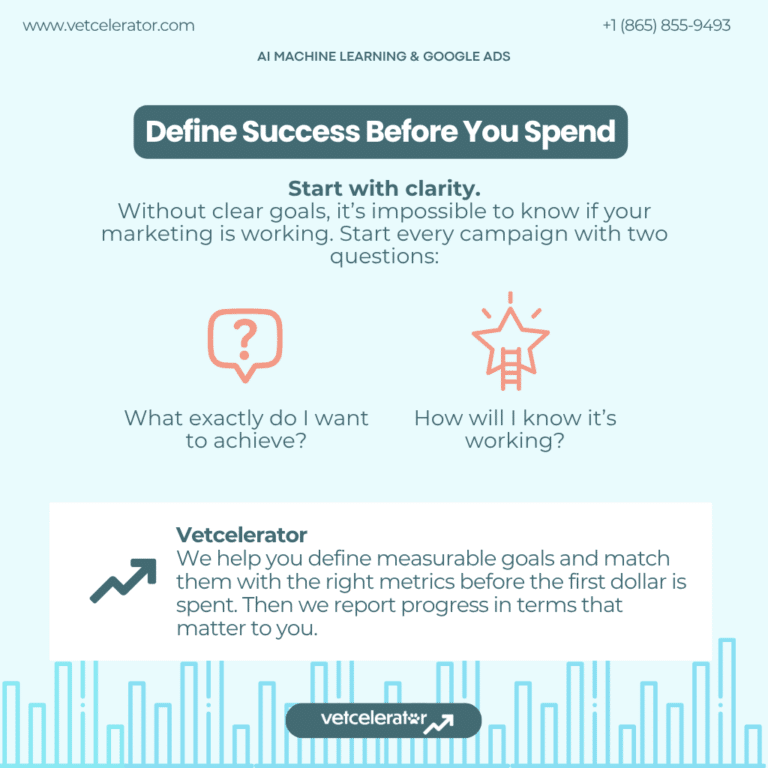
That’s what being conversion-focused comes down to: defining what success means for your veterinary practice, measuring the actions that lead to it, and using that information to make every advertising dollar work with greater purpose.
More clicks aren’t the goal. More of the right clients are.
Increase your practice’s profitability with conversion-focused veterinary marketing that delivers the highest return on ad spend. Vetcelerator is your partner in profitability and practice growth.