


ChatGPT launched on November 30, 2022. In 2026, you can now run ChatGPT ads for veterinary clinics. In just a few years, large language models have changed how people search for information, create content, and make buying decisions.
During my digital marketing career, I’ve only seen two other changes with a similar impact:
- The move to mobile-first websites
- The rise of social media marketing
Artificial intelligence is the third big shift and is probably going to be the largest. AI is changing how pet owners discover veterinary practices, evaluate services, and decide who they trust. For veterinary practices, that changes how we think about digital marketing. Should your practice be running ChatGPT ads?
We've Been Talking About AI Longer Than Most People Realize
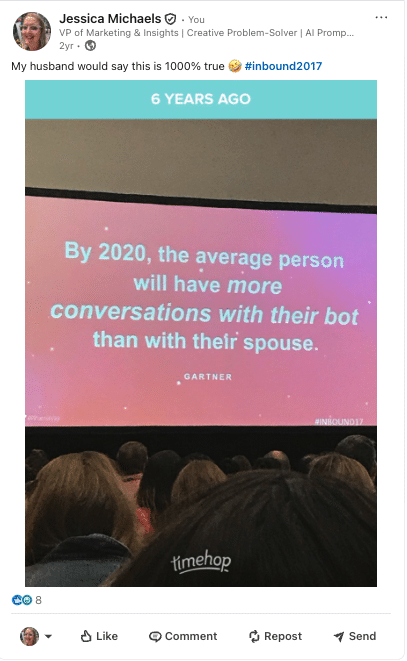
Back in 2017, I attended HubSpot’s INBOUND Conference. Here is a quote that has stayed with me ever since.
“By 2020, the average person will have more conversations with their bots than with their spouses.” — Gartner
At the time, I assumed Gartner was referring to assistants like Alexa or Siri. Instead, AI developed into something much larger. Today, platforms like ChatGPT, Claude, Gemini, and Perplexity have become research assistants, search engines, writers, and decision-support tools used millions of times every day. For marketers, that represents an entirely new channel.
AI Is Already Changing Website Traffic
When social media became mainstream, many businesses copied their Google Ads strategy onto Facebook. It didn’t work. Search marketing captures intent. Social media creates demand. Those are completely different objectives. We’re seeing a similar transition with AI.

People are still searching. They’re simply arriving at your website differently.
Google searches remain relatively stable, but click-through rates are declining as AI Overviews answer more questions before users ever reach a website.
At the same time, many businesses, including our network of veterinary clients at Vetcelerator, are seeing:
- Higher Quality Website Visitors
- Shorter Session Durations
- Increased Conversion Rates
- Better Lead Quality
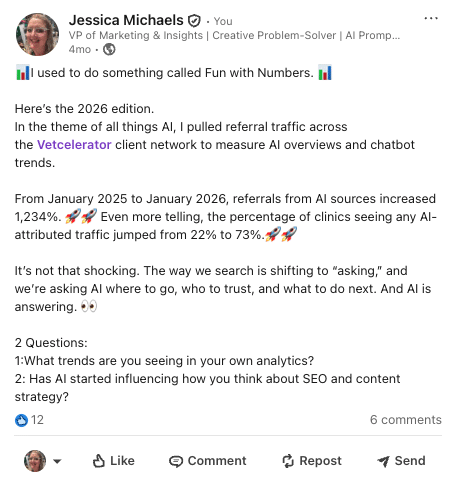
Visitors are arriving with much of their research already completed. Instead of educating prospects from scratch, your website increasingly serves to validate their decision. This is one reason why AI has become the fastest-growing referral sources we monitor at Vetcelerator.
Our Veterinary ChatGPT Ads Beta Test
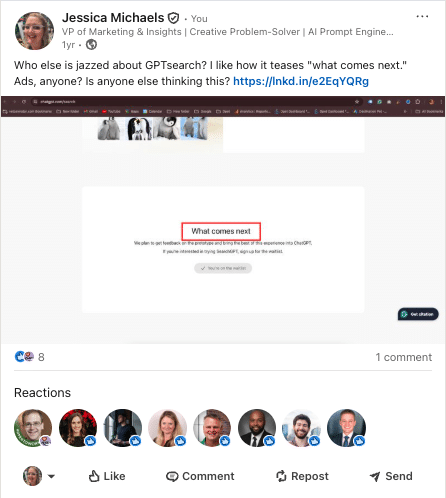
When ChatGPT announced its advertising beta, I immediately signed up. Any time a new advertising platform launches, I nerd out and try to learn everything I can. Rather than speculate, we invested our own marketing dollars at Vetcelerator to understand how the ChatGPT ads platform works. We wanted to know: are ChatGPT ads for veterinary clinics worth it?
The ChatGPT Ad Campaign Setup
Our test included a $1,000 total budget for a two-week campaign targeting:
- Tennessee
- Georgia
- North Carolina
- South Carolina
- Florida
The campaign was highly educational; our objective was to understand the platform, its capabilities, and its fit within a veterinary marketing strategy.
What I Learned About ChatGPT Ads from the Beta Test
The Platform Is Still in Its Infancy
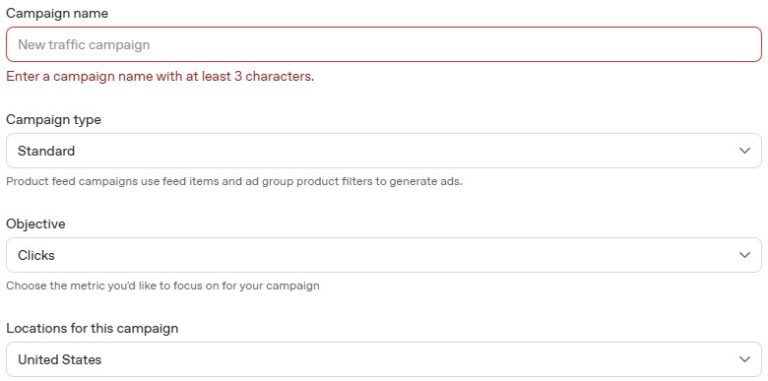
The platform resembles an early version of Google Ads.
Campaigns consist of:
- Campaigns
- Ad Groups
- Ads
Campaign objectives include:
- Clicks
- Reach
- Conversions
Instead of keyword targeting, advertisers provide “content hints” that describe conversations in which ads may be relevant. For clinics looking to attract clients for wellness exams, for example, you could tell ChatGPT that relevant topics are dog vaccines and conversations about how to find the best vet in the area.
The system combines those hints with website content to determine when advertisements appear. Since completing our test in June 2026, OpenAI has already introduced audience targeting, location exclusions, and big adjustments.
The Takeaways from Our Veterinary AI Ads Testing
1. Budget Delivery Was Unpredictable
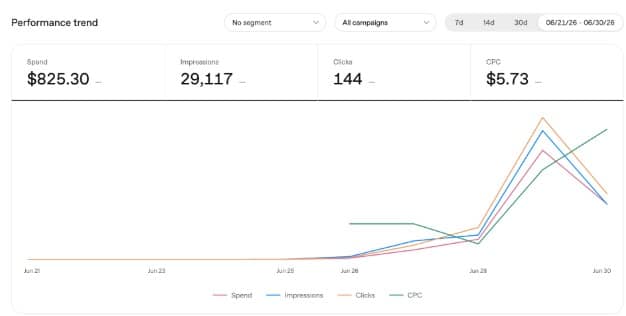
The campaign initially spent only $5–8 per day. Then, spending accelerated dramatically to nearly $400 in a single day. That isn’t unusual for beta platforms, but it reinforces the need for close monitoring when testing new advertising products.
2. Geographic Targeting Still Needs Work
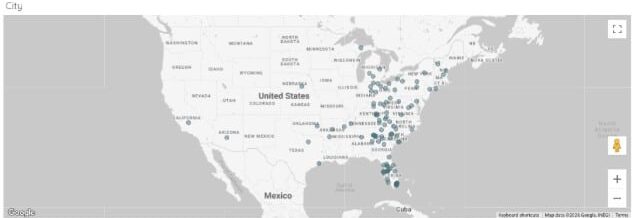
Although our campaign targeted southeastern states, clicks appeared well outside those markets. For local veterinary hospitals, precise geographic targeting is key. At this stage, national brands appear better positioned to benefit than independent veterinary practices focused on growth for a single market.
3. The Reports Have Limitations
Compared with Google Ads and Meta Ads, reporting is minimal. This lack of visibility makes campaign optimization challenging. There is currently little visibility into:
- Search Intent
- Conversation Context
- Matching Logic
- User Pathways

The ChatGPT Ads User Experience for Pet Owners in 2026
I also tested the user experience with ChatGPT ads. I asked the bot pet-related questions to see what type of ad we would be served and how relevant it would be to the conversation. Every answer from ChatGPT on a free plan was followed by an ad when asking how often my six-year-old dog should go to the vet and about vaccines.
Throughout the whole conversation, I was served ads promoting pet insurance; each answer was followed by a different company, and I didn’t see the same ads twice.

In all our testing at Vetcelerator, we were served ads for larger nationwide organizations; no local ads.
This lack of local ads reinforces the idea that the current platform favors larger advertisers. Veterinary practices and pet brands are almost always hyper-local. ChatGPT ads are not yet there.
Should Veterinary Practices Advertise on ChatGPT Today?
Not yet. The technology is exciting, but the platform is still maturing in 2026. Current limitations include:
- Limited Reporting
- Broad Targeting
- Minimal Optimization Controls
- High Minimum Daily Budgets
For most veterinary hospitals, Google Ads and Meta Ads continue to provide significantly better control and measurable ROI than ChatGPT ads for veterinary clinics.
Which Ad Types Veterinary Practices Should Focus On Instead
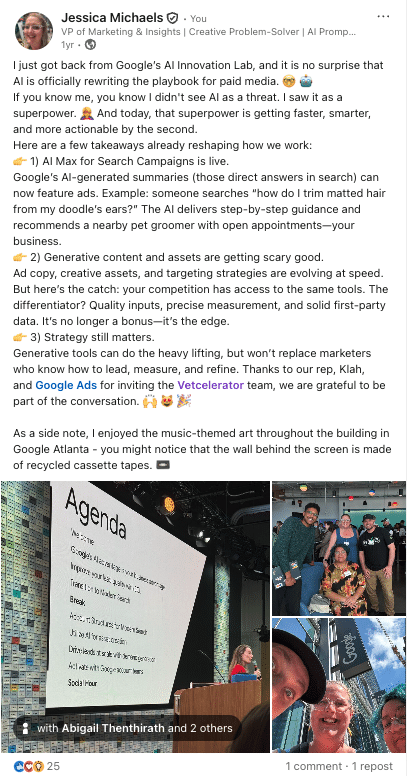
While ChatGPT ads continue to develop, AI is already changing traditional search. Google’s AI Max for Search campaigns are a great example. AI Max expands keyword targeting using machine learning, allowing campaigns to match more conversational searches.
Instead of matching only “dog bee sting treatment,” Google can understand questions like: “What can I do for my dog after getting stung by a bee?”
Comprehension of these questions allows veterinary practices to appear for far more relevant searches without manually building thousands of keyword variations.
We’ve been implementing AI-powered Google advertising strategies for veterinary practices at Vetcelerator for more than a year. The results have consistently included:
- Lower Cost Per Click
- Lower Cost Per
- Conversion
- Higher Conversion Rates
- Increased Appointment Opportunities
For most practices today, this represents a far stronger investment than experimenting with an emerging AI advertising platform.
AI Is Raising Marketing Standards for Veterinary Practices
Are You Staying Competitive?
Mobile changed websites. Social media changed communication. Artificial intelligence is changing discovery. In the future, more avenues like ChatGPT ads for veterinary clinics may be worth it.
Every major technology shift rewards the businesses that adapt early. The clinics that succeed will build a digital presence that gives AI systems and the people using them clear, accurate, and trustworthy information to reference.
The marketing experts at Vetcelerator are continually testing emerging AI platforms, advertising technology, and search innovations so our clients don’t have to learn through expensive trial and error. If you’re ready to grow your digital presence, we’re ready to help.
About The Author
Jessica Michaels is the VP of Marketing & Insights at Vetcelerator. She is a marketing leader with nearly 20 years of experience in Google Ads and turning data into measurable growth for veterinary clinics and other businesses.
Outside of work, Jess is a proud pet parent to a six-year-old dog, two two-year-old cats, and two fifteen-year-old turtles.