

For veterinary clinics, local growth starts when your veterinary advertising strategy is coordinated and consistent. Pet owners compare options across Google, social, reviews, and your website, and they decide fast. The 7 Ms of Marketing gives you a clear framework to plan, run, and measure campaigns that drive appointments and loyalty.
1) Markets: Define Who You Serve And Where You Compete
Veterinary care is hyper-local. Most clinics pull demand from a consistent geographic trade area, often a 10- to 15-mile radius. Start with the map, then add layers:
- Demographics: life stage & income=
- Psychographics: values & media habits
- Attitudes: loyalty & price sensitivity
- Behaviors: visit frequency & triggers such as a new pet or moving
Prioritize focus without narrowing your opportunity; your core audience can still be broad locally, and your strongest services can naturally pull in additional segments.
👉 Continue reading: https://vetcelerator.com/competing-in-a-hyper-local-space-picking-your-market/

2) Mission: Pick a Single Primary Outcome Per Campaign

“Growth” is not a mission; it’s an outcome. In 2026, the strongest clinics separate two objectives and build campaigns around one at a time:
- Awareness: local pet owners know you exist and remember you when they need care
- Persuasion: pet owners choose your clinic, accept recommendations, and return consistently
This decision shapes every other M that follows. A strong veterinary advertising strategy starts with your radius and your real audience.
👉 Continue reading: https://vetcelerator.com/thriving-in-a-hyper-local-market-navigating-awareness-and-persuasion/
3) Message Content: Say The One Thing They Need Next
Once you know who you’re talking to and what you want them to do, the message gets simpler. Awareness content tends to be easy to understand: where you are, what you do, and how to book. Persuasion content builds confidence: what makes your care experience consistent, the standards you follow, the outcomes clients can expect, and what to do now. The best content sounds human and answers real questions without overexplaining.
👉 Continue reading: https://vetcelerator.com/competing-in-a-hyper-local-space-crafting-your-message/

4) Media Strategy: Choose Channels That Match How Decisions Are Made
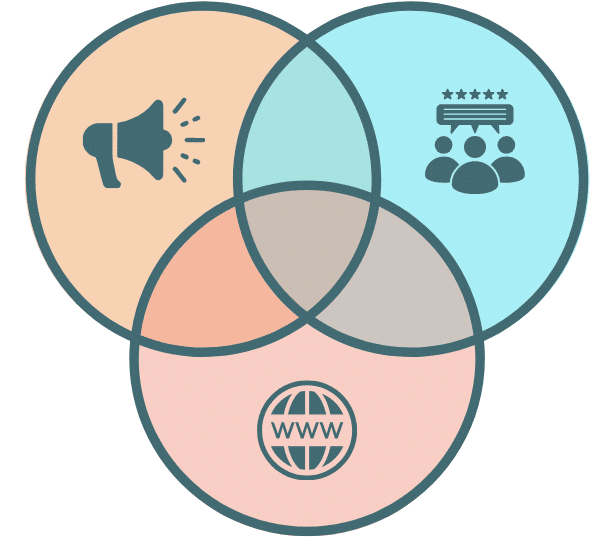
Independent clinics have three-channel lanes:
- Paid Media: search ads, social ads, local sponsorships, and mail
- Owned Media: your website, email list, Google Business Profile content, and in-clinic materials
- Earned Media: reviews, referrals, word-of-mouth, community mentions
The clinics that stand out are the ones that connect these lanes. Paid media introduces you, owned media makes it easy to book, and earned media builds trust over time. These are the core veterinary advertising channels clinics use to win locally.
👉 Continue reading: https://vetcelerator.com/competing-in-a-hyper-local-space-picking-your-channel/
5) Message Design: Match The Brain You Want To Reach
Great design makes information easier to understand. Sometimes you need fast recognition, strong imagery, clear clinic cues, and local signals. Other times, you need confidence, reviews, credentials, comparisons, and clinical facts. Good design guides attention and makes the next step obvious.
👉 Continue reading: https://vetcelerator.com/competing-in-a-hyper-local-space-crafting-your-message/

6) Money: Budget From The Goal Backward

Budgeting gets easier when it is tied to outcomes. Map the journey: impression to click, click to call, call to scheduled appointment, appointment to completed visit. Then, factor in missed calls and no-shows. Now your spending becomes a forecast you can manage. Most of the time, tightening your phone process or follow-up produces the same growth with less spend. This is how you turn a veterinary advertising strategy into a budget you can manage.
👉 Continue reading: https://vetcelerator.com/competing-in-a-hyper-local-space-setting-the-budget
7) Measurement: Build A Simple Scoreboard
Measurement keeps the whole system honest. Set clear goals and track what matters to clinic growth: calls answered, appointment requests, booked visits, show rate, and new client volume. Use the data to make educated changes, then repeat. The clinics that measure consistently feel less stress because they’re making decisions from facts instead of gut instincts. Lastly, don’t forget to celebrate your wins!
👉 Continue reading: https://vetcelerator.com/the-7-ms-of-marketing-measurement-your-winning-playbook/

Final Takeaway
If your marketing has felt scattered, the fix isn’t necessarily more content or more spend. It’s about structure. The 7 Ms give you a simple way to run marketing like a real part of the business with clear priorities, consistent execution, and a scoreboard your team can trust. Start with one campaign, pick one mission, track the right numbers, and build from there. That’s how local growth stacks up for veterinary practices in 2026.
Want help building your veterinary advertising strategy for your local market? Book a Vetcelerator audit and we’ll map channels, budget, and metrics to your growth goals.