

In 2019, location and word of mouth were enough to drive steady client flow to veterinary practices. That’s no longer true. Today, pet owners research and compare clinics with intent. They make choices based on what they’ve seen (and what they trust) before making an appointment.
This shift isn’t unique to veterinary clinics. Just look at advertising. Here is McDonald’s most iconic ad.
“You deserve a break today,” once helped sell billions of burgers. Drop that same ad into today’s social feed, and it would be skipped, muted, or scrolled past in seconds. Why? Because attention has moved to content that feels personal, timely, and relevant to the viewer.
Pet owners are no different. They don’t want a generic veterinary practice. Instead, they want a clinic that feels familiar, local, and trustworthy.
What’s Driving the Shift?
Over the past five years, the way veterinarians attract new clients has become more competitive, more technical, and more precise, and platforms have become increasingly sophisticated. Algorithms utilize AI to determine which ads appear, when, and to whom. This means that if you want to be seen, your marketing has to work harder and hit faster; otherwise, it won’t be seen at all.
Privacy changes have added a new wrinkle. With less third-party data available, clinics can no longer rely on broad targeting as they once did. The focus is now on owned channels, including your website, social media, and search performance, as the primary ways to earn trust.
Strategy That Starts with Local Trust
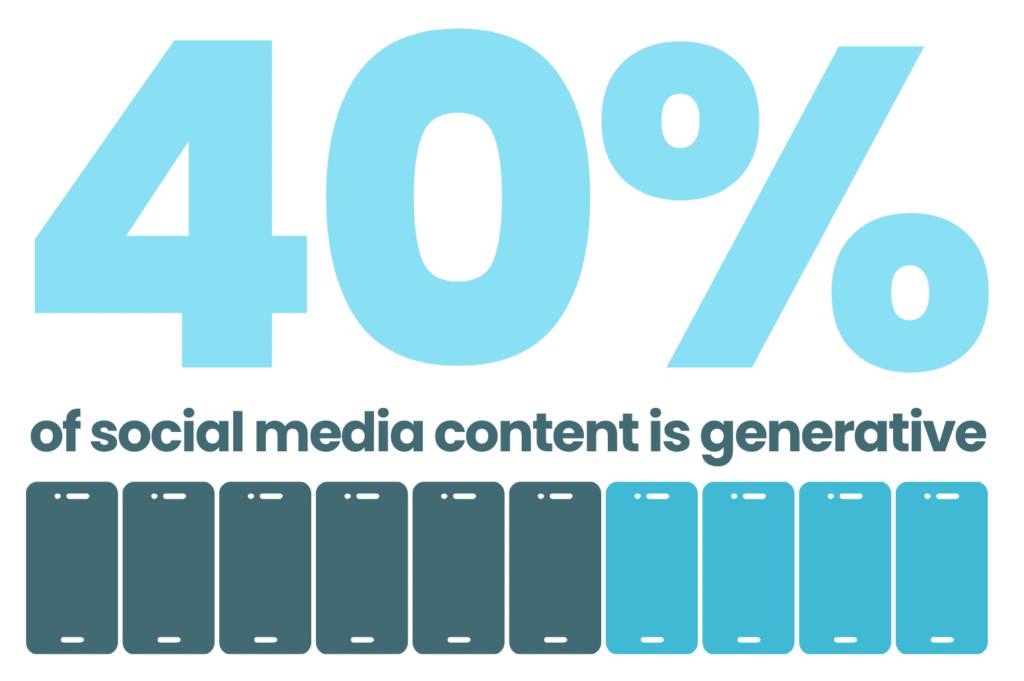
And trust matters more than ever. Pet owners are bombarded by content, much of it low-quality and AI-generated. About 40% of content online falls into the category of “AI slop”—clickbait with little real value. Pet parents don’t trust it. They want authenticity backed by expertise. Clinics that communicate clearly and locally are winning.
You Can’t Grow If You’re Not Seen
Online growth happens when clinics invest with clear goals, targeted strategy, and a focus on what drives real results.
But spending more alone isn’t the answer. The power of smarter spending comes from knowing who you’re speaking to and what matters to them. That’s where first-party data changes everything.
First-party data can be used to inform the “machine” who your ideal customers are so that it can identify more users like them. Think about it this way:
Let’s say you have a senior dog who’s picky and has a sensitive stomach. You’ve found an organic, grain-free treat brand that he actually likes and tolerates well. You ask a friend to grab some on their way over and just say:
“Can you pick up dog treats?”
They arrive with three different kinds of treats: crunchy biscuits, peanut butter bones, and rawhide. None of these treats are what you wanted, but it’s not your friend’s fault that you weren’t specific. You gave them general info, not the right data.
The difference between third-party and first-party data in your marketing. Third-party data is like saying, “dog owner” and hoping for the best. First-party data is saying, “owners of senior dogs with dietary sensitivities who’ve already bought organic grain-free treats from us before.” Now, your ads are specific, relevant, and far more likely to convert.
The ad budget stays the same, but one approach is guessing and the other is guiding. The power of first-party data is that it doesn’t just help you reach more people. It helps you get the right ones.
3 Ways to Improve Vet Clinic Visibility in 2026

1. Refine Your Messaging Across Every Channel
Consistency builds trust. Align your voice across your website, digital ads, and social content. Speak directly to your local audience. Make it clear why your clinic is the right choice, not through hype, but through clarity.
Additional Resources:

2. Use First-Party Data to Guide Spending
Broad targeting is out. Precise audience targeting based on real client data is in. First-party data lets you market to pet owners who are already familiar with your brand, and reach others who resemble them.
Think of it this way: saying “dog owner” is vague. But saying “owner of a senior dog with dietary sensitivities who has previously purchased from us” makes your marketing far more effective.

3. Define Goals Before You Spend
Too many clinics run ads without benchmarks. Know your target cost-per-acquisition. Use it to guide your strategy and ensure your budget supports actual growth. A smaller, smarter spend beats a big, blind one every time.
Additional Resources:
Local + Data-Driven = Visibility That Works
Veterinary clinics need marketing strategies that reflect how today’s clients actually make decisions. Local relevance and data-backed targeting aren’t optional, they’re what drive visibility and bookings.
The difference between being seen and being overlooked isn’t just the budget, it’s the strategy behind it.
Need help making your vet clinic more visible?
Vetcelerator builds data-driven, locally targeted marketing strategies that help you reach the right audience and grow with confidence. Get started with a free audit today!

Growth starts with visibility, and that means being present, relevent, and trusted.